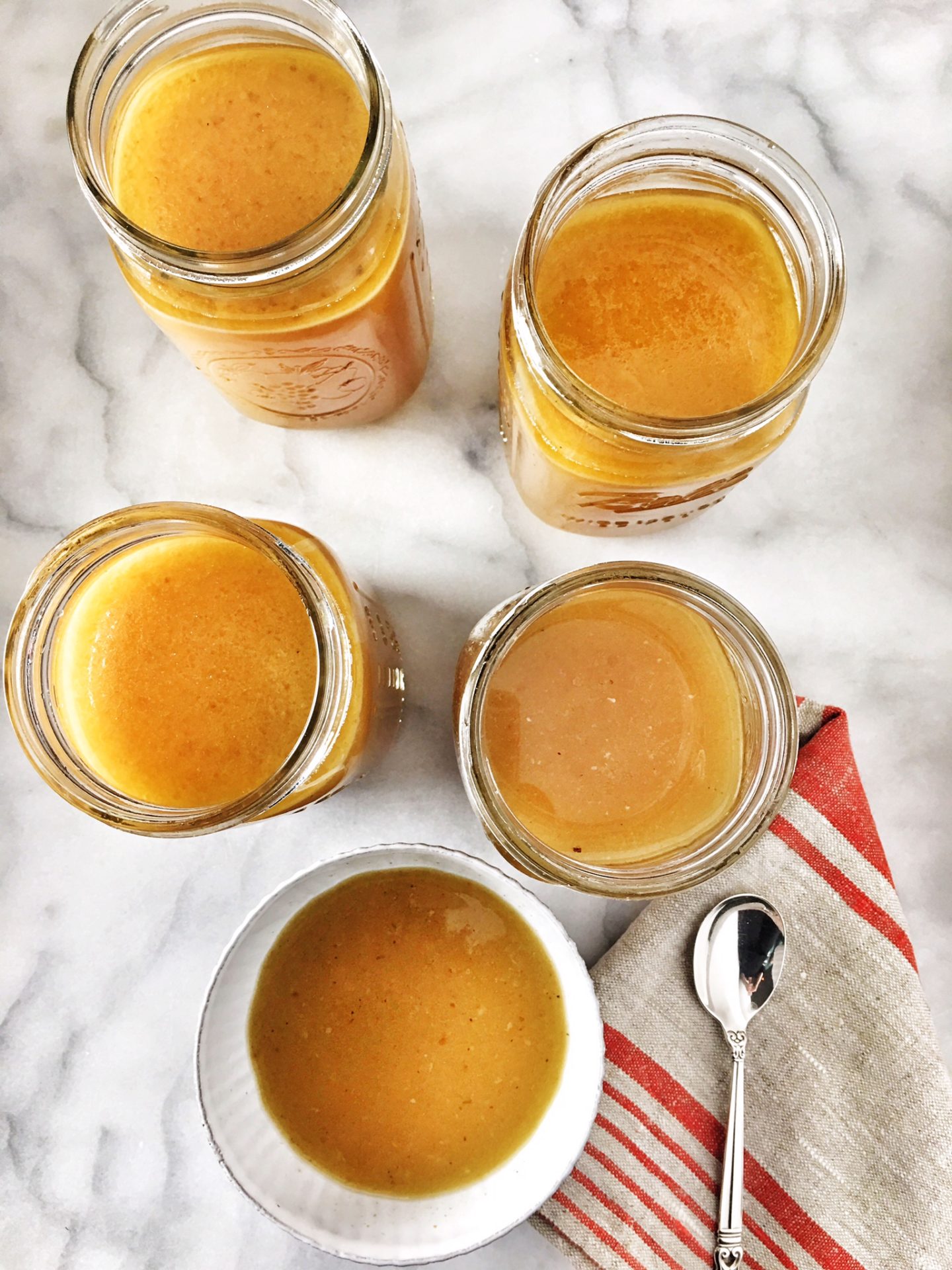
Elevate Your Holiday Menu: Making Superior Homemade Turkey Stock
The holiday season brings with it a symphony of flavors, and at the heart of many cherished dishes lies a crucial, often overlooked ingredient: stock. While store-bought broths offer convenience, they simply can't compare to the depth, richness, and authentic flavor of homemade **turkey stock**. If you're like many home cooks, you might be tempted to toss your leftover Thanksgiving turkey carcass into a pot with some water and vegetables, hoping for the best. And while that's a commendable first step in resourcefulness – indeed, no precious bones should go to waste – there's a secret to transforming that effort into something truly extraordinary. Imagine gravies with unparalleled depth, stuffing bursting with savory goodness, and soups that warm the soul long after the holiday feast. This isn't just about making stock; it's about crafting a foundational ingredient that elevates your entire culinary experience. By investing just a couple of extra steps, you can create a glorious, golden-brown elixir that will become the star behind the scenes of your most memorable holiday meals. This article will guide you through the process of making not just good, but *superior* homemade **turkey stock**, turning an otherwise effortless task into a truly rewarding culinary adventure.Why Your Current Turkey Stock Method Might Be Missing Out
Many home cooks, with the best intentions, approach **turkey stock** by simply simmering their leftover, already-cooked turkey carcass. While this certainly extracts *some* flavor, it often results in a broth that lacks true character. The issue lies in the nature of how your turkey was initially cooked. During the roasting of your holiday bird, the bones are largely insulated by moist meat, which means they're more steamed than truly roasted. This prevents the deep caramelization and flavor development that occurs when bones are exposed to high, dry heat. The result? A stock that finds itself in a culinary "no-man's-land" – neither the clean, delicate profile of a white poultry stock (made from raw bones and meat) nor the robust, dark complexity of a true brown stock. You miss out on the rich, savory notes that can genuinely transform your gravies, soups, and other dishes. Instead of a rich golden hue and profound flavor, you might end up with a cloudy, somewhat muted liquid. But don't despair! This isn't a problem, it's an opportunity. Understanding this distinction is the first step toward unlocking profound flavor. To dive deeper into the science behind rich stocks, read our guide on Unlock Deep Flavor: A Guide to the Best Post-Thanksgiving Stock.The Secret to Superior Turkey Stock: Double Roasting for Deep Flavor
The single most impactful step you can take to elevate your homemade **turkey stock** is to re-roast your turkey carcass and bones *after* the initial holiday meal. Yes, that's right – put those bones back in the oven! This might sound like an extra chore, especially after a marathon cooking session, but the payoff is immense. Here’s how to do it:- Break Down the Carcass: After carving your turkey, strip off any remaining meat you might want to save. Break the carcass into smaller, more manageable pieces if necessary. This increases surface area for roasting.
- Oil and Roast: Toss the turkey bones and any gristly bits (avoiding too much fatty skin) with a tablespoon or two of neutral oil. Spread them in a single layer on a baking sheet.
- Deep Roasting: Roast in a hot oven (around 400-425°F or 200-220°C) for 45-60 minutes, or until the bones are deeply browned and caramelized. You're looking for that rich, dark, golden-brown color – a testament to the powerful Maillard reaction, which creates hundreds of new flavor compounds. Don't be afraid to let them get *really* dark, but avoid burning.
- Deglaze the Pan: Once roasted, transfer the bones to your stockpot. Deglaze the roasting pan with a splash of water, wine, or even a little chicken broth, scraping up all those flavorful browned bits (the "fond") from the bottom. This concentrated flavor is pure gold for your stock.
Building Layers of Flavor: Aromatics and Beyond
Once your turkey bones are beautifully roasted, it's time to build further layers of flavor with aromatics – the unsung heroes of any great stock. Just as with the bones, don't just toss your vegetables in raw. Browning them adds another dimension of richness.Browning the Vegetables:
While your bones are roasting, you can efficiently brown your aromatic vegetables. The classic trio of onion, carrot, and celery (often called mirepoix) forms the backbone of flavor. You can roast them alongside the bones for the last 20-30 minutes, or, for even deeper color, sauté them directly in your large stockpot with a touch of oil until they are softened and deeply caramelized. This pan-browning method allows for better control and deeper color development, creating yet another layer of Maillard reaction flavors.
The Tomato Factor:
A hallmark of a true brown stock, and a key differentiator from white stocks, is the inclusion of tomato. Adding a couple of quartered tomatoes or a tablespoon or two of tomato paste (also browned slightly in the pot with the vegetables) provides a subtle acidity that brightens the rich flavors and enhances the umami. It's a small addition with a significant impact on the overall complexity of your **turkey stock**.
Other Enhancements:
- Herbs: A sprig of fresh thyme, a bay leaf, and a few parsley stems (not the leaves, which can make the stock bitter if simmered too long) are excellent additions.
- Peppercorns: A teaspoon of whole black peppercorns adds a gentle warmth without overpowering the turkey flavor.
- Water: Once all your roasted bones and browned aromatics are in the pot, cover them generously with cold water. Starting with cold water helps to slowly extract impurities and gelatin, resulting in a clearer, richer stock.
Maximizing Your Turkey Stock: Uses and Storage
Inspiring Uses for Your Superior Turkey Stock:
- Gravy: This is arguably its most famous role. A rich **turkey stock** forms the ultimate base for a show-stopping gravy that will have everyone reaching for seconds.
- Stuffing/Dressing: Ditch the water or store-bought broth. Using homemade **turkey stock** in your stuffing ensures every bite is infused with deep, savory flavor.
- Holiday Soups: From classic turkey noodle to hearty vegetable and barley, your stock will be the soul of any post-holiday soup.
- Risottos and Grains: Use it instead of chicken or vegetable broth for a uniquely savory risotto, or to cook quinoa, farro, or couscous for an added layer of flavor.
- Braises and Stews: Any recipe calling for broth in a braise, such as pot roast or even a winter vegetable stew, will benefit from the rich umami of your homemade stock.
- Sauces: Reduce it down to create an elegant pan sauce for other roasted meats.
Smart Storage for Your Culinary Gold:
Because you've put in the effort, you'll want to make sure your **turkey stock** lasts. Proper storage is key:
- Refrigeration: Once cooled completely, homemade stock will keep for 3-4 days in an airtight container in the refrigerator. If it forms a gelatinous layer, that's a sign of a well-made, collagen-rich stock!
- Freezing: For longer storage, freezing is your best friend.
- Portioning: Freeze stock in various portion sizes. Ice cube trays are fantastic for small amounts (2-tablespoon portions), perfect for deglazing a pan or adding a touch of flavor.
- Larger Quantities: Freeze 1-cup or 2-cup portions in freezer-safe bags or containers. Label and date them. Flat-frozen bags take up less space and thaw quickly.
