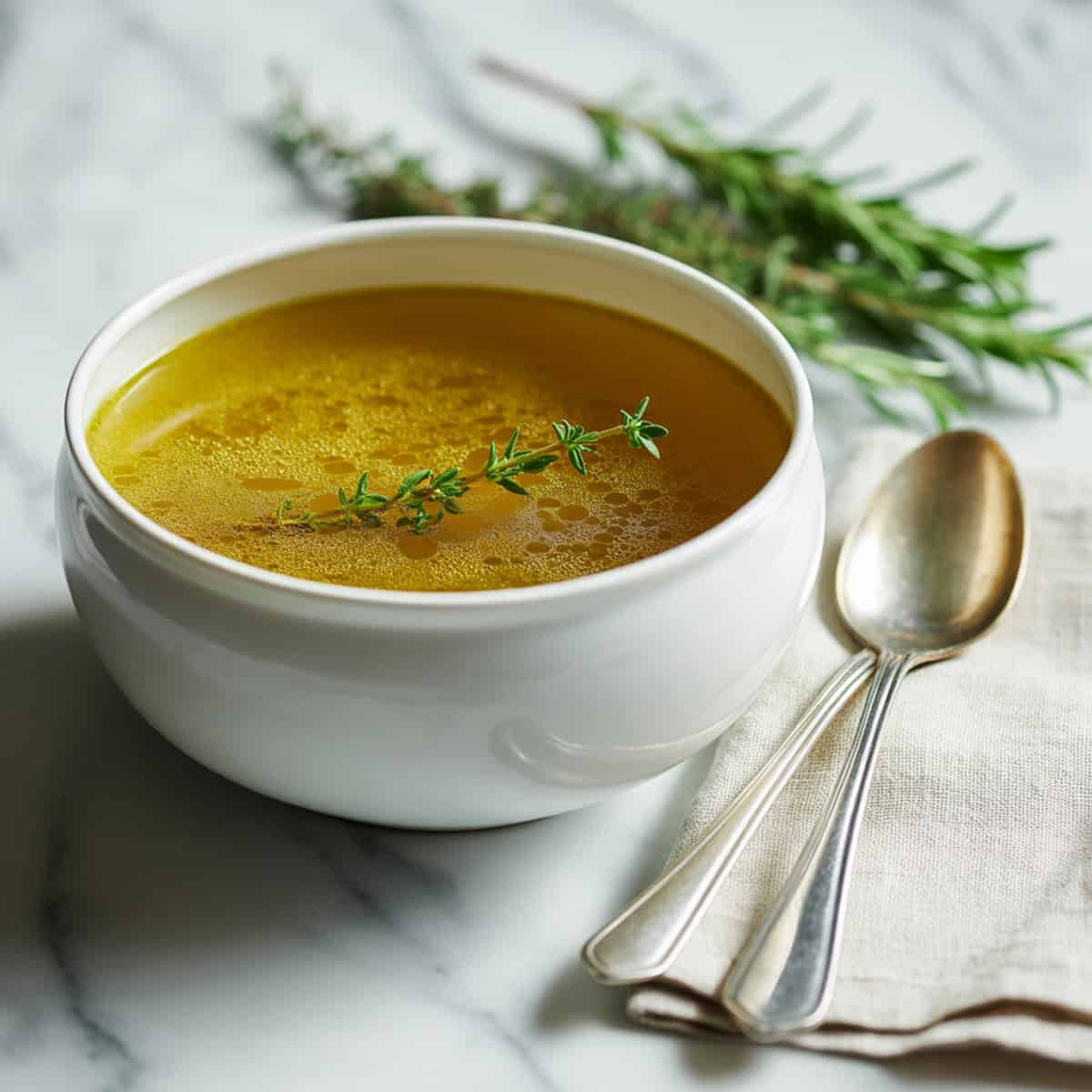
The Culinary Goldmine You're About to Discard: Why Homemade Turkey Stock Matters
The Thanksgiving feast is over, the gravy boat is empty, and the last slice of pie has been devoured. As the dust settles in your kitchen, you're faced with the glorious, yet somewhat daunting, remnants of your culinary marathon: the turkey carcass. For many, this signals the end of its useful life, destined for the trash can. But stop right there! You're holding a treasure trove of flavor, a culinary goldmine waiting to be transformed into something far more valuable than mere waste: the best post-Thanksgiving
turkey stock you've ever tasted.
Homemade
turkey stock isn't just a resourceful way to utilize leftovers; it's a fundamental ingredient that can elevate your everyday cooking from ordinary to extraordinary. Forget the pale, often insipid, store-bought broths laden with sodium and mysterious "natural flavors." A well-made homemade stock boasts a depth of flavor, a rich aroma, and a silky body that simply cannot be replicated by commercial alternatives. It's the secret weapon for creating sumptuous gravies, hearty soups, flavorful risottos, and moist stuffing that truly sings. While the thought of more cooking post-Thanksgiving might seem overwhelming, the truth is, making stock is an incredibly easy process, demanding minimal active time for an incredibly high reward. It's about to become your favorite healing art, as one chef eloquently puts it, transforming your holiday menu from within.
The Crucial Difference: Why Your Cooked Carcass Needs a Second Roast
Now, before you toss that majestic carcass into a stockpot with water and vegetables, let's talk about unlocking its true potential. Most home cooks, aiming for efficiency, might simply simmer their already-cooked turkey bones. While this will yield *a* broth, it won't deliver the profound, complex flavor you deserve. The issue lies in how the turkey was originally cooked. While roasting your bird for dinner, the bones were largely shielded by a layer of moist meat. This meant they were more steamed than directly roasted, leaving a significant amount of flavor untapped. Simmering these bones as is will produce a somewhat muted broth, stranded in a "no-man's-land" between a light, clean "white stock" (made from raw bones) and a deep "brown stock."
To achieve that truly rich, savory, and deeply colored
brown turkey stock, we need to coax out those hidden flavors. The solution is simple yet transformative: give your carcass a second, dedicated roast. This crucial step allows the bones themselves to undergo the Maillard reaction – the same magical process that gives roasted meats their irresistible browned crust and complex savory notes. By tossing the bones in a little oil and roasting them until they are deeply browned, you're building a robust flavor foundation that will imbue your stock with unparalleled depth. This simple extra effort is the secret to transforming your leftovers into a truly superior culinary base. For a deeper dive into this technique, check out our guide on
Roast Your Leftovers: The Secret to Rich Brown Turkey Stock.
Crafting Your Masterpiece: Step-by-Step for Superior Brown Turkey Stock
Making superior
turkey stock is less about complicated techniques and more about understanding a few key principles and executing them deliberately. Here’s how to create your own liquid gold:
Preparing Your Carcass for Re-Roasting
First, strip any remaining meat from the turkey carcass. Don't worry about getting every last shred; a little extra meat here and there will only add to the stock's richness. This pulled meat can be saved for sandwiches, soups, or even a post-Thanksgiving hash. If your carcass is too large for your roasting pan, break it down into smaller, more manageable pieces. Drizzle the bones generously with a neutral cooking oil (like olive or grapeseed oil) and toss to coat evenly. Spread them in a single layer on a sturdy baking sheet. Roast in a preheated oven at around 400-425°F (200-220°C) for 30-45 minutes, or until the bones are deeply caramelized and fragrant. This step is non-negotiable for achieving that coveted brown stock flavor.
Browning the Aromatics: The Flavor Foundation
While your bones are roasting, prepare your aromatic vegetables. The classic trio of onion, carrot, and celery (often called mirepoix) forms the backbone of any good stock. Peel and roughly chop them. For brown stock, we also want to brown these vegetables to enhance their sweetness and savoriness. You can do this in the same oven as the bones, but a more efficient method is to sauté them directly in your large stockpot. Add a tablespoon or two of oil to the stockpot over medium-high heat. Add your chopped vegetables and cook, stirring occasionally, until they are well browned and caramelized – not just softened. This browning creates a fond (the delicious browned bits stuck to the bottom of the pot) which will later dissolve into your stock, adding another layer of flavor. You can also add a few cloves of smashed garlic, a bay leaf, and a handful of black peppercorns at this stage.
The Simmering Process: Time and Patience
Once your bones are deeply roasted and your aromatics are browned, it’s time to bring everything together. Add the roasted turkey bones to the stockpot with the browned vegetables. This is also the point to add another hallmark of brown stock: tomato. A tablespoon or two of tomato paste, browned briefly with the aromatics before adding the bones, or a handful of canned tomatoes (like a diced plum tomato), will add depth, color, and a subtle tang that beautifully complements the rich turkey flavor.
Now, cover everything with cold water, ensuring the bones and vegetables are fully submerged. Using cold water is important as it allows the impurities to slowly rise to the surface, which you can then skim off. Bring the pot to a gentle simmer – you're looking for small, infrequent bubbles, not a rolling boil, which can make the stock cloudy and emulsify fats. As it heats up, you’ll notice scum (impurities) rising to the surface; use a ladle or spoon to skim this off periodically during the first hour.
Simmer your stock for at least 4-6 hours, and ideally up to 8-12 hours for maximum flavor extraction. The longer, slower simmer allows the gelatin from the bones to break down, resulting in a rich, viscous stock that will set like jelly when chilled. Throughout the simmering process, keep an eye on the water level, adding more cold water if necessary to keep the bones submerged, though try to avoid adding too much too frequently as it cools down the stock. Resist the urge to stir the stock too much, as this can also lead to cloudiness.
Straining and Storing Your Liquid Gold
Once your stock has simmered to perfection, remove it from the heat. Carefully strain the stock through a fine-mesh sieve, ideally lined with cheesecloth, into a clean heatproof container. Discard the spent bones and vegetables. Allow the stock to cool completely at room temperature before refrigerating. As it chills, any remaining fat will rise to the surface and solidify, making it easy to skim off with a spoon. This defatted stock is ideal for most culinary applications.
For storage, your homemade
turkey stock will last in the refrigerator for 3-4 days. For longer storage, freeze it! You can freeze it in airtight containers, zip-top bags (laid flat for easy stacking), or even in ice cube trays for convenient single-portion use. Frozen stock will keep for several months, ensuring you have a flavorful base ready whenever inspiration strikes.
Beyond the Basics: Tips for Elevating Your Turkey Stock
While the re-roasting and simmering method will yield a fantastic
turkey stock, a few extra tips can truly make it sing. Consider adding a splash of apple cider vinegar (about 1-2 tablespoons per gallon of water) to the pot at the beginning of the simmer. The acidity helps to extract more minerals and gelatin from the bones, resulting in an even richer body and deeper flavor. Don't add too much salt at this stage; it's best to season your dishes when you use the stock, allowing you full control over the final flavor profile.
For additional nuanced flavors, you can incorporate other ingredients. Parsley stems (not the leaves, which can impart bitterness when cooked for long periods) add a fresh, herbaceous note. Mushroom stems can deepen the umami profile. However, be cautious with strong-flavored vegetables like broccoli or cabbage, as they can sometimes impart off-flavors to your stock. Remember that making stock is a "healing art" – a meditative process that connects you to your food and ingredients. This liquid gold is incredibly versatile and is ideal for enriching gravies, crafting luxurious risottos, or creating the most comforting leftover turkey soup. To further enhance your stock-making prowess, explore our article on
Elevate Your Holiday Menu: Making Superior Homemade Turkey Stock.
By taking these few extra steps, you transform what might have been a discarded byproduct into a culinary cornerstone. This rich, flavorful
brown turkey stock is not just a testament to resourcefulness, but an investment in countless delicious meals to come.
So, the next time you finish that glorious Thanksgiving bird, don't let its carcass meet an ignoble end. Instead, unleash its full flavor potential and unlock a world of deep, savory deliciousness. A little effort now will yield months of incredible meals, proving that sometimes, the best flavors truly come from the remnants of a feast. Enjoy the rich rewards of your homemade liquid gold!