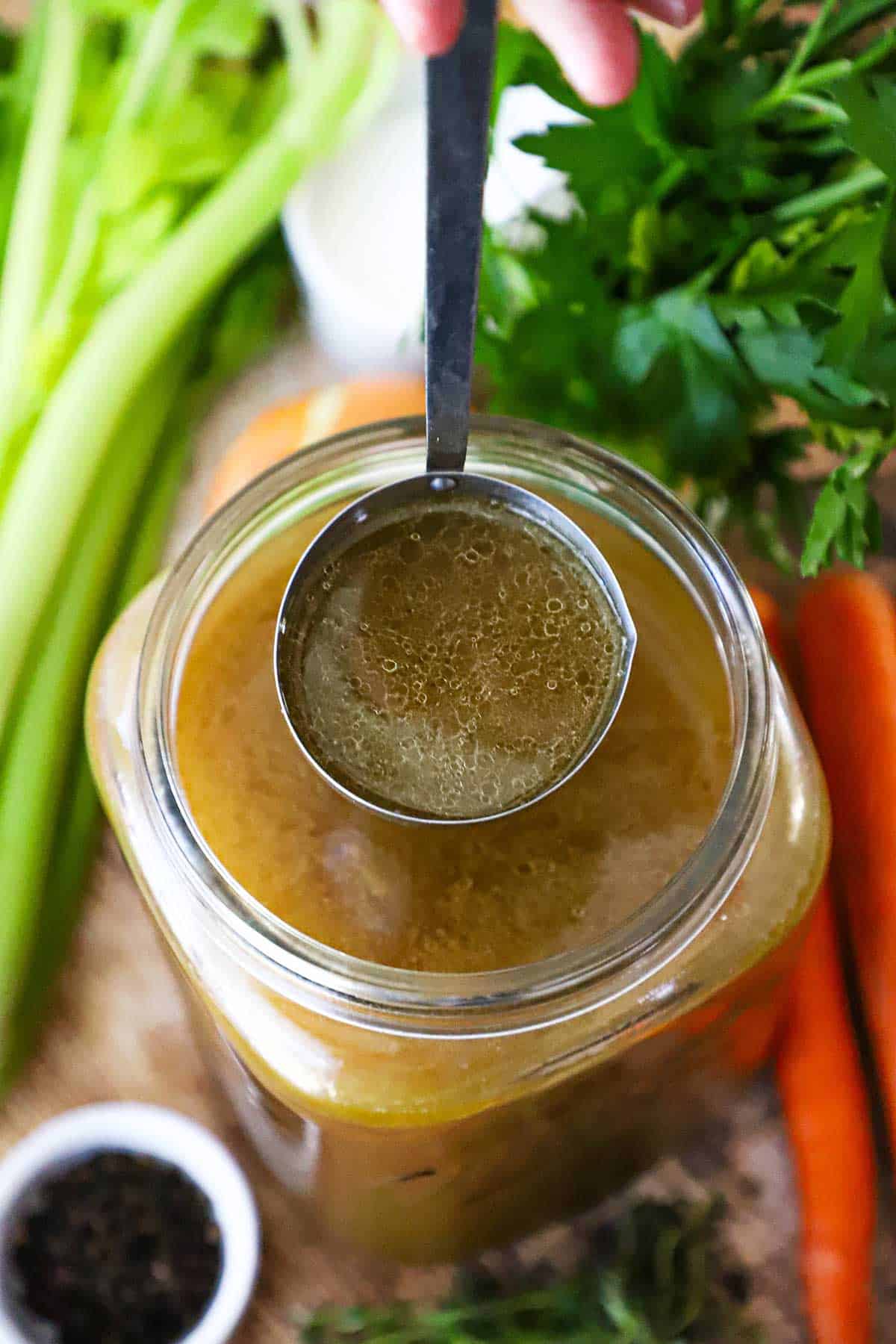
Roast Your Leftovers: The Secret to Rich Brown Turkey Stock
The culinary marathon of Thanksgiving is finally over. You’ve successfully navigated the turkey, the sides, and the desserts. Now, staring down that magnificent (or what’s left of it) turkey carcass, you’re thinking, “Stock!” Good for you! Your resourcefulness deserves applause. Far too many perfectly good bones end up in the trash when they could be yielding liquid gold. However, before you toss those remnants into a pot with some water and vegetables, let’s talk about how to make your homemade turkey stock not just good, but truly extraordinary.
You’re aiming for a rich, deeply flavored, and beautifully brown turkey stock. What you might be envisioning, by simply simmering a cooked carcass, won't quite get you there. While the initial roasting cooked the meat to perfection, the bones themselves were largely shielded, steaming rather than browning. The result? A broth that often hovers in a flavor no-man's-land: neither the clean, pure profile of a white stock made from raw bones nor the profound depth of a true brown stock. But with just a couple of extra steps, you can unlock a world of flavor that will transform your post-holiday meals.
Beyond the Basics: Why Your Turkey Stock Needs a Glow-Up
Many home cooks shy away from making stock altogether, viewing it as an intimidating or time-consuming task. Yet, the process is incredibly straightforward and consistently delivers results far superior to anything store-bought, especially in recipes where stock plays a starring role. When it comes to using a leftover Thanksgiving turkey, there's a unique challenge and an even more unique opportunity.
A "white" poultry stock is typically made from raw chicken or turkey parts, simmered gently with vegetables. This yields a clean, delicate flavor, often preferred for its versatility. A "brown" stock, on the other hand, derives its characteristic color and profound flavor from bones and aromatics that have been deeply roasted or caramelized. The key to its richness lies in the Maillard reaction—that magical chemical process responsible for the browning and deep savory flavors found in roasted meats, seared scallops, and toasted bread.
Your turkey carcass, having already been cooked, presents a delicious dilemma. The meat was roasted, yes, but the bones themselves, nestled within the bird, didn't undergo the same browning process that imparts deep flavor. Simply simmering them will extract a certain amount of turkey essence, but it won't give you the complex, roasted notes that make a stock truly sing. Instead, you'll get a stock that lacks the clarity of a white stock and the depth of a brown stock – a missed opportunity when you're going to the effort anyway!
The Game-Changing Step: Roasting Your Leftover Carcass (Again!)
This is where the magic happens and your turkey stock truly transcends the ordinary. The secret to achieving that coveted brown turkey stock is to give your turkey carcass, and any remaining bits of skin or gristle, a second, dedicated roasting session. This crucial step intensifies the flavor, creating layers of rich, savory notes that will permeate your stock.
Here’s how to do it:
- Prepare the Carcass: Break down the carcass into manageable pieces if necessary to fit your roasting pan. Don't worry about being too neat; just ensure all parts can lay relatively flat. Include any stray bones, wing tips, or even particularly browned skin you didn't use for gravy.
- Coat with Oil: Drizzle the turkey pieces generously with a neutral high-smoke-point oil, such as olive oil, grapeseed oil, or canola oil. Use your hands to ensure every surface is lightly coated. This helps promote even browning and prevents sticking.
- Roast for Deep Flavor: Arrange the oiled turkey pieces in a single layer on a sturdy baking sheet or in a large roasting pan. Roast in a hot oven, typically around 400-425°F (200-220°C), for 30 to 45 minutes. The goal is deep caramelization, not charring. You want the bones and any remaining bits of meat to turn a rich, mahogany brown. If some pieces are browning faster than others, give them a quick toss or flip.
- Deglaze the Pan (Optional but Recommended): Once the bones are beautifully browned, remove them from the pan. If there are flavorful browned bits stuck to the bottom of the roasting pan, you can deglaze it with a splash of water, wine, or even a bit of the future stock-pot water. Scrape up all those delicious fond bits and add them directly to your stockpot – they're pure flavor!
This simple re-roasting step is the cornerstone of a superior brown turkey stock. It activates those deep, umami-rich compounds that were otherwise locked away, promising a stock that is incredibly flavorful and aromatic.
Building Layers of Flavor: Aromatics and the Brown Stock Signature
While the re-roasted turkey bones form the foundation, a truly exceptional brown turkey stock is built upon a symphony of complementary aromatics. And just like your bones, these vegetables benefit immensely from a dose of caramelization.
Essential Aromatics for Brown Stock:
- Onion: Often quartered and left unpeeled for extra color.
- Carrots: Roughly chopped.
- Celery: Roughly chopped.
Browning Your Vegetables:
You have a couple of options for browning your aromatics, each with its merits:
- Roast with Bones: For a more hands-off approach, you can add your chopped onions, carrots, and celery to the roasting pan during the last 15-20 minutes of the bones' roasting time. This allows them to brown gently and soak up some of the turkey drippings.
- Sauté in the Stockpot: A highly efficient method is to sauté the vegetables in batches directly in your large stockpot after removing the roasted bones. Add a tablespoon or two of oil, and cook the vegetables over medium-high heat until they are deeply browned, stirring occasionally. This creates a flavorful fond on the bottom of the pot, which you’ll then deglaze.
The Brown Stock Signature: Tomato Paste
Unlike white stocks, a hallmark of brown stocks is the inclusion of tomato. Tomato paste, in particular, contributes a layer of umami, a subtle sweetness, and a lovely reddish hue to the finished stock. After your vegetables have browned, push them to one side of the pot, add a tablespoon or two of tomato paste to the cleared space, and cook it for a minute or two, stirring constantly, until it darkens slightly and becomes fragrant. This concentrates its flavor before you add liquid.
Additional Flavor Boosters:
Don't stop there! Enhance your brown turkey stock with a few other simple additions:
- Garlic: A few cloves, lightly smashed (no need to peel).
- Bay Leaves: 2-3 dried bay leaves add a subtle herbal note.
- Black Peppercorns: About a teaspoon of whole peppercorns.
- Fresh Herbs: A few sprigs of parsley and thyme tied together with kitchen twine (a "bouquet garni") can be added during the last hour of simmering.
Simmering Your Way to Culinary Gold: Tips for the Perfect Turkey Stock
With your deeply roasted turkey bones and beautifully browned aromatics now in the stockpot, the final stage of stock making is mostly hands-off, but a few key practices ensure optimal results.
The Gentle Simmer: Place the roasted turkey bones, browned vegetables, tomato paste, and any additional aromatics into your largest stockpot. Cover everything with cold water, ensuring the water level is about an inch or two above the ingredients. Cold water is crucial as it slowly brings the ingredients up to temperature, allowing impurities to rise to the surface where they can be skimmed off. Bring the pot to a gentle simmer – not a rolling boil. A gentle simmer encourages a clearer, more flavorful stock; a vigorous boil emulsifies impurities and can lead to a cloudy, greasy stock.
Skimming for Clarity: As the stock begins to heat and simmer, foam and scum will rise to the surface. Use a large spoon or a fine-mesh skimmer to carefully remove these impurities. This step is vital for a clear, pristine stock and should be done diligently during the first hour of simmering.
Patience is a Virtue: Allow your turkey stock to simmer gently for at least 4-6 hours, and even up to 8 hours for maximum flavor extraction. Resist the urge to stir frequently, as this can cloud the stock. Simply let it do its thing. Replenish water if the ingredients become exposed during simmering, though try to minimize adding too much to avoid diluting the flavor.
Straining and Cooling: Once your stock has simmered to perfection, carefully remove the large solids with tongs or a slotted spoon. Then, strain the liquid through a fine-mesh sieve lined with cheesecloth into a clean container. This ensures a perfectly clear stock. Let the strained stock cool completely at room temperature before refrigerating or freezing. Rapid cooling is important for food safety, so consider placing the pot in an ice bath or dividing the stock into smaller containers. Once completely cool, any fat will solidify on top, which you can easily skim off for a leaner stock.
This homemade turkey stock is a versatile magic elixir. Use it as the base for the most incredible gravy, for a truly comforting day-after turkey soup, or to infuse your stuffing and risottos with unparalleled depth. You’ll find yourself looking forward to that turkey carcass, knowing it holds the promise of future culinary delights.
By taking these few extra steps to re-roast your turkey carcass and caramelize your aromatics, you transform what could be a merely acceptable stock into a truly spectacular brown turkey stock. It's a small investment of time that yields immense flavor dividends, proving that even leftovers can become the foundation for something extraordinary. Embrace the sacred act of stock making, and elevate your cooking to new heights with this rich, savory liquid gold.
